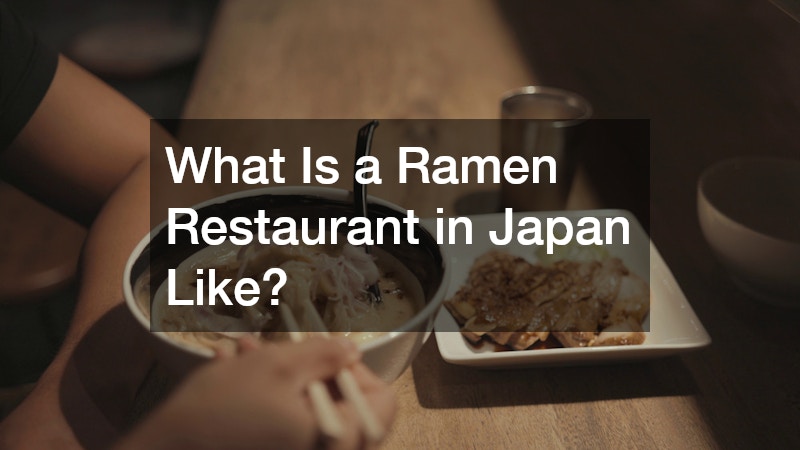
Explore the unique charm and culinary experience of visiting a ramen restaurant in Japan, where tradition meets modern flavors. Ramen has become an iconic dish in Japanese cuisine, beloved by locals and tourists alike. From bustling city alleys to serene countryside nooks, ramen shops pepper the landscape, each offering a unique take on this classic dish.
This article delves into the intricate world of ramen restaurants, providing a comprehensive look at their atmosphere, menu, preparation, etiquette, and popularity in Japan. Venture into the world of ramen and discover why it holds such an esteemed place in the hearts of many Japanese people.
What is the Atmosphere Like Inside a Ramen Restaurant in Japan?
The atmosphere inside a ramen restaurant in Japan captures an essence of both simplicity and warmth. Typically, these eateries are characterized by a cozy and casual setting, designed to make diners feel at ease. A common feature is the presence of a long counter that faces the open kitchen, allowing patrons to witness the artistry of ramen preparation. This setup not only connects diners with the culinary process but also fosters a communal environment, where strangers might strike up conversations over a shared love of ramen. The sounds of sizzling pans, the hum of conversation, and the rhythmic clatter of chopsticks create a symphony unique to these establishments.
The design and decor of ramen restaurants often reflect a blend of traditional and contemporary Japanese aesthetics. Wooden furnishings and paper lanterns are common, infusing the space with a touch of classic Japanese ambiance. Despite their often small size, these restaurants maximize space efficiently, welcoming a continuous stream of customers, especially during peak meal times. Many ramen shops have minimal decoration, focusing instead on creating a clean, welcoming environment. This minimalist approach ensures that the focus remains on the food itself.
Lighting in ramen restaurants is typically subtle and soft, enhancing the intimate dining experience. The tantalizing aroma of simmering broth fills the air, enticing taste buds before the first bite is ever taken. Music, if played, tends to be unobtrusive, maintaining an atmosphere conducive to both relaxation and socialization. Diners often appreciate the friendly, attentive service typical in these eateries, which enhances the overall experience. From salarymen taking a quick lunch break to families enjoying a leisurely meal, these establishments cater to a diverse clientele, adding to the vibrant feel.
What Are the Typical Menu Items Found in a Ramen Restaurant?
Ramen restaurants in Japan offer a variety of menu items that showcase the diversity and creativity within this culinary niche. The centerpiece of any ramen menu is, of course, the ramen itself, offered in several staple styles such as shoyu (soy sauce), miso, shio (salt), and tonkotsu (pork bone) broth. Each style is distinct, representing different regions and tastes, with chefs often adding a personal twist to achieve a unique flavor profile. Toppings enhance the ramen, with common choices including tender chashu (braised pork), nori (seaweed), and ajitsuke tamago (seasoned boiled eggs).
Beyond the traditional ramen bowls, many restaurants offer a range of side dishes that complement the main meal. Gyoza, or Japanese dumplings, are a popular choice, often served with a dipping sauce that perfectly accentuates their flavor. Tsukemen, or dipping ramen, offers a twist on the classic experience, with thick noodles served separately from the broth for dunking. Rice dishes like chahan (fried rice) are also common accompaniments, providing a hearty addition to the meal. Additionally, some ramen shops serve seasonal or specialty items that highlight fresh, local ingredients.
Beverages play a crucial role in enhancing the dining experience at a ramen restaurant. Many establishments offer a selection of Japanese beers and sake, chosen to complement the complex flavors of ramen. For those seeking a non-alcoholic option, green tea is a quintessential choice that satisfies the palate. Desserts, while not a staple at all ramen restaurants, are increasingly being offered, with options ranging from mochi to matcha-flavored treats. The varied menu ensures that whether you’re new to ramen or a seasoned aficionado, there’s something to delight your taste buds.
How is Ramen Made in Japanese Restaurants?
Making ramen in Japanese restaurants is an art form that combines meticulous preparation and culinary skill. The broth, which is the soul of the dish, takes hours to prepare, often simmering overnight to extract the deepest flavors from its ingredients. Depending on the type, broths can be rich and creamy, like tonkotsu, or light and clear, like shio. The complexity of the broth is matched by the noodles, which are typically made fresh daily, with careful attention paid to their texture and thickness. These elements ensure that each bowl of ramen is hearty and balanced, delivering a burst of flavor with each bite.
Ramen chefs in Japan undergo rigorous training, mastering the delicate balance of flavors that define their signature bowls. The process begins with selecting high-quality ingredients, from the meats and vegetables that enrich the broth to the flour used for making noodles. Each component is crafted with precision, and timing is crucial, as the noodles must be cooked to the perfect level of chewiness before being added to the broth. Toppings are prepared to enhance the overall dish, often requiring their own specialized techniques, such as marinating or slow roasting.
Innovation in ramen preparation is not uncommon, with many chefs continually experimenting to elevate traditional recipes. Fusions of styles from different regions or the inclusion of non-traditional ingredients add a modern twist to this time-honored dish. While the essence of ramen remains rooted in its Japanese origins, the versatility of the dish allows for endless variations. The dedication of ramen chefs to their craft results in a dynamic culinary scene where each bowl tells a story of passion and creativity. This artistry ensures that no two ramen experiences are ever the same.
What is the Etiquette for Eating at a Ramen Restaurant?
Understanding the etiquette for eating at a ramen restaurant in Japan not only enriches the dining experience but also shows respect for the culture. One fundamental aspect is the practice of slurping noodles, which is both a sign of appreciation and a practical way to enhance flavors. By slurping, diners aerate the noodles and cool them slightly, allowing for a richer taste. It is a sound that resonates throughout ramen shops and one that is widely accepted and encouraged. Engaging in this practice reflects an understanding of the dining customs inherent to ramen culture.
In addition to slurping, sharing food is generally uncommon, as individual bowls are crafted to deliver a complete experience tailored to one person’s palate. When finished with your meal, it is considered polite to return your empty bowl to the counter, indicating your satisfaction and appreciation. Leaving food behind can be seen as wasteful, so it is advisable to order only what you can finish. Japanese dining etiquette emphasizes clean and respectful consumption, allowing everyone to enjoy the communal experience in harmony.
In line with cultural practices, maintaining a calm and respectful demeanor is key, even in the hustle and bustle of a busy ramen shop. Waiting your turn, minimizing noise other than slurping, and appreciating the efforts of the staff contribute to a positive dining atmosphere. It’s common to offer a quiet expression of gratitude, such as saying ‘gochisosama deshita’ after finishing a meal, which means ‘thank you for the meal’. With these practices, diners not only enjoy a delicious dish but also partake in the cultural rhythms that make ramen a beloved part of Japanese life.
Why Are Ramen Restaurants So Popular in Japan?
Ramen restaurants hold a special place in the culinary landscape of Japan, owing to their rich history and cultural significance. Originating from Chinese noodle dishes, ramen has evolved into a quintessential Japanese food that symbolizes innovation and adaptability. Its versatility and regional variations make it a beloved staple across the country, with each area offering a distinct variation reflective of local tastes. From the robust flavors of Hokkaido’s miso ramen to the delicate subtleties of Kyushu’s tonkotsu, ramen connects people to the culinary heritage of Japan.
The popularity of ramen in Japan is also driven by its accessibility and affordability, making it an ideal meal for people from all walks of life. Whether in a bustling urban area or a quiet rural town, ramen shops are a ubiquitous presence, providing quick and satisfying meals. The culture of ‘it’s affordable and good food’ resonates with both locals and tourists, who often seek out these establishments for a taste of authentic Japanese cuisine. Furthermore, the communal dining experience fosters a sense of togetherness, enhancing its appeal as a social dining choice.
Innovation and media exposure have further bolstered ramen’s status, transforming it into a symbol of Japanese creativity on the global stage. Popular manga, films, and television series have celebrated ramen, drawing interest from international audiences eager to experience its flavors firsthand. Chefs continually push boundaries, crafting new and exciting interpretations that capture imaginations and palates alike. This dynamic evolution keeps ramen fresh and relevant, ensuring its place as a cherished culinary tradition both in Japan and around the world.
In conclusion, ramen restaurants in Japan offer more than just delicious food; they are a window into the rich cultural and social tapestries of Japanese life. They reflect a heritage of culinary artistry and community engagement, where each bowl of ramen serves as an expression of craftsmanship and taste. The charm of these establishments lies in their ability to provide comfort and excitement, resonating with diners who appreciate the fusion of tradition and innovation. Whether you’re a first-time visitor or a seasoned ramen enthusiast, each dining experience promises a delightful adventure in flavor and culture. Exploring the world of Japanese ramen is not just about nourishing the body but also about feeding the soul with a taste of cultural richness.