In this article, we explore the diverse and flavorful options available at Asian restaurants, delving into the dishes that have captured the hearts of diners worldwide. Asian cuisine is renowned for its complexity of flavors, vibrant ingredients, and centuries-old cooking techniques that have been perfected over generations. The cultural diversity encapsulated within Asian dishes offers culinary experiences that are both exotic and familiar.
From tantalizing appetizers to hearty entrees, and not to forget, the unique desserts, each dish tells a story of its origin and the people who crafted it. Join us as we take a culinary journey through an array of beloved dishes that are staples at Asian dining establishments, providing insight into what makes these options so popular and irresistible.
What are the most popular Asian appetizers?
Asian appetizers are a delightful introduction to the rich and varied cuisines from this part of the world. Spring rolls are one of the most popular starter dishes and come wrapped in thin rice paper, offering a crunchy bite filled with fresh vegetables, shrimp, or meat. Equally popular are dumplings, whether they’re steamed, fried, or served in a delicate broth—each variety brings a unique taste and texture experience. Edamame, lightly salted and steamed fresh soybeans, provide a simple yet satisfying start to any meal, renowned for their nutritional benefits. Together, these appetizers set the stage for a satisfying gastronomic adventure with their vibrant flavors and aromatic appeal.
Savouring a platter of perfectly spiced samosas can transport diners straight to the lively streets of India. These triangular pastries, filled with spiced potatoes or minced meat, are commonly accompanied by mint chutney or tamarind sauce for an added layer of flavor. Another traditional favorite is sushi, which, albeit now a global sensation, requires skilled craftsmanship to roll. The bite-sized pieces might have a variety of fillings—fish, vegetables, and sometimes fruit, drawing attention to the precision of Japanese cuisine. The intricate preparation and aesthetic presentation of these appetizers are a testament to the dedication and skill involved in Asian cookery.
The popularity of Asian appetizers is further evidenced by the universal love for Korean Kimchi pancakes. These savory delights boast a bright, spicy taste, made from fermented cabbage and a batter of rice flour, offering a blend of spicy and tangy flavors. They illustrate the perfect balance of textures and flavors that Asian cuisine is famed for. Paired with a simple dipping sauce of soy, vinegar, and sesame oil, they are wholly satisfying and deeply comforting. These dishes embody not just the beginning of a meal but a glimpse into the culinary traditions and innovative fusions representative of Asian gastronomy, making them irresistible choices for many.
Which Asian noodle dishes are most favored?
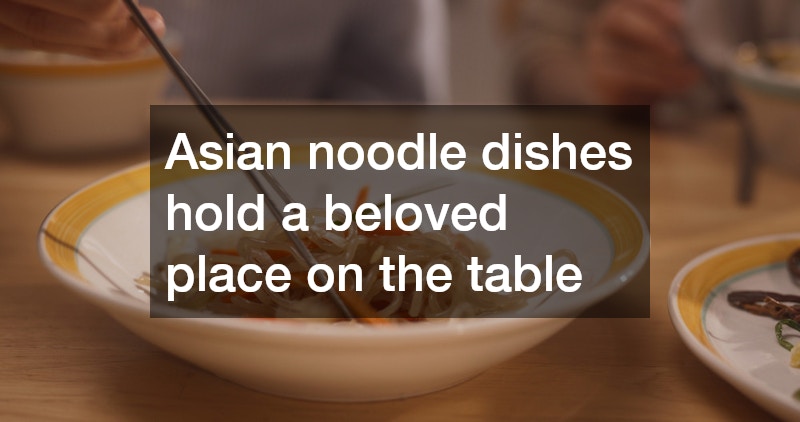
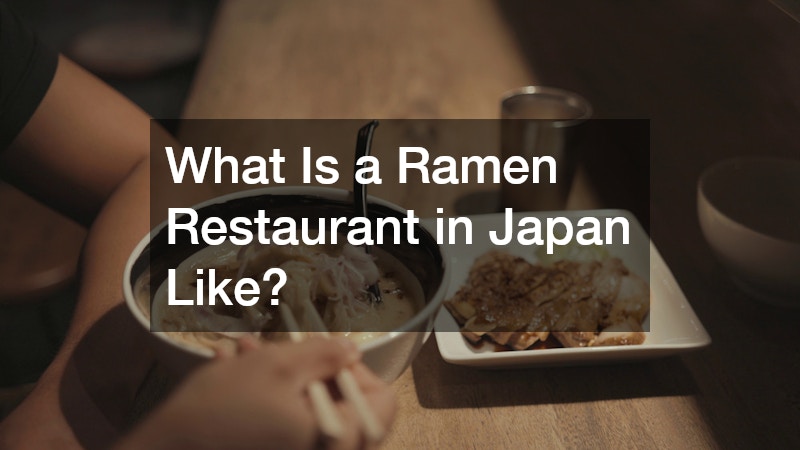
Asian noodle dishes hold a beloved place on the table, known for their versatility and ability to absorb flavors. Pad Thai, hailing from Thailand, is a globally recognized dish that delights with its harmonized mix of sweet, sour, and salty flavors. These rice noodles are stir-fried with shrimp or chicken, bean sprouts, and eggs, often garnished with crushed peanuts and lime, creating a whirlwind of texture and taste. Ramen, a Japanese staple, offers a soothing yet exciting experience with its umami-rich broth, springy noodles, and diverse topping options such as soft-boiled eggs and succulent meats. The ever-popular Lo Mein, with its enduring charm, offers silky wheat noodles tossed in a savory and slightly sweet soy-based sauce.
The inspiration derived from the bustling streets of Asian metropolises like Bangkok and Tokyo transcends borders with the creation and regional adaptations of these noodle dishes. Pho, a Vietnamese classic, features flat rice noodles swimming in an aromatic beef broth that has been simmered with spices like star anise and cinnamon, often accompanied by fresh herbs and lime. Whether it’s served in the comfort of a refined restaurant or a corner street vendor, each bowl is a heartwarming concoction of flavors that brings people together. Whether slurping noodles in a lively market or savoring them in a serene restaurant, these dishes epitomize comfort food at its finest.
No exploration of Asian noodle dishes would be complete without mentioning the Southeast Asian delight, Laksa. This spicy noodle soup, rich with the flavors of coconut milk, lemongrass, and assam (tamarind), delivers a multicultural fusion of Chinese and Malaysian elements. It’s an exquisite blend of spicy, sour, and creamy, offering generous helpings of noodles paired with seafood or chicken. Meanwhile, japchae—chewy glass noodles with beef and a medley of colorful vegetables—provides a sweet and savory sensation in Korean dining. From bustling street markets to elegant eateries, these noodle dishes encapsulate the versatility and the alluring depth that define Asian culinary customs.
What are some popular Asian rice dishes?
Rice is at the heart of Asian cuisine, serving as the bedrock for countless iconic dishes that are celebrated across the continent. Fried rice, a Chinese favorite prepared by stir-frying chilled, cooked rice with an assortment of vegetables, soy sauce, and sometimes meat or seafood, is a prime example of simplicity meeting elegance. This makes it not only a tasty but also a resourceful dish, often utilizing leftover ingredients, which bears testament to its origins as a homemade classic often found in high-end and humble kitchens alike. Indian Biryani is another celebrated rice dish known for its vibrant aroma and exquisite taste, consisting of basmati rice flavored with spices and layered with meat or vegetables.
Japanese sushi rice, known as shari, serves as the fundamental ingredient in crafting an array of sushi varieties, bringing a subtle sweetness balanced with seasoned vinegar. Rice in its multitude of forms and styles underpins numerous culinary traditions and hence remains a top pick in Asian dining globally. The cultural footprint of rice transcends the kitchen, playing a pivotal role in festivals and cultural ceremonies across Asia. Be it the fragrance of jasmine rice or the chewy texture of sticky rice, these serve as delightful accompaniments to robust flavors or stand-alone specialties of culinary art.
Nasi Goreng from Indonesia, characterized by its rich, smoky flavor from kecap manis (sweet soy sauce) and shrimp paste, is unstoppable in winning over taste buds internationally. It exemplifies the Indonesian knack for balancing sweetness with heat and comes garnished with fried eggs and satay. Kimchi Fried Rice, a Korean staple, ingeniously pairs invigorating spicy kimchi with rice, offering a bold and fiery taste that is both comforting and satisfying. These dishes’ universal appeal lies in their adaptability, mastering a brilliant dance of flavors influenced by regional ingredients and techniques, making them essential features of Asian restaurant menus everywhere.
Which Asian soups are must-try items?
Soups form a poignant part of Asian dining, showcasing an array of flavors and ingredients that offer warmth and nourishment. Tom Yum Goong, originating from Thailand, is a sublimely aromatic soup, bringing together lemongrass, lime leaves, galangal, fish sauce, and Thai chilies with shrimp or chicken. This invigorating combination of hot and sour elements exemplifies the dynamic use of herbs and spices to create a harmonious but potent dish. Similarly, China’s Hot and Sour soup offers layers of flavors with vinegar, black pepper, and soy sauce, enveloping ingredients like tofu, mushrooms, and bamboo shoots in a rich, savory broth. These soups, often complemented with a garnish of fresh herbs, embrace a balance of bold flavors that invoke a satisfying fullness.
Miso soup from Japan stands as a humble yet deeply comforting dish served traditionally to start the meal. The fermented soybean paste, miso, dissolved in dashi—a stock from seaweed and dried fish or bonito—produces a savory and nourishing offering. Slivers of tofu and scallions often accompany it, delivering a subtle yet enticing whiff of umami. Another beloved choice is Korean Kimchi Jjigae, a spicy, bubbling stew with kimchi, tofu, and pork or seafood. This dish represents the soul of Korean cuisine with its invigorating blend of spicy, sour, and savory elements, often providing a communal dining experience shared with rice and banchan (complimentary side dishes).
In Vietnam, Bun Bo Hue is a spicy, beefy delight, famous for its complex broth infused with lemongrass, annatto, shrimp paste, and chili oil. The dish not only excites the palate with its rich flavors but also tells a story of the traditional culinary techniques that have evolved over generations. Each of these soups demonstrates varying culinary philosophies and masterful uses of local ingredients to create comfort in a bowl. Whether enjoyed as a starter or a main course, these Asian soups invite diners to savour and celebrate the depth and diversity of regional cooking traditions at any Asian restaurant.
What are the most popular Asian desserts?
Asian desserts often provide a delightful and refreshing conclusion to a vibrant meal, offering a unique spin on sweetness. Mochi, a Japanese delicacy, showcases the beauty of chewy rice flour cakes often encasing sweet fillings like red bean paste or ice cream. The fascinating texture pairs with a subtle sweetness, creating a simple yet indulgent treat. Another famous dessert is Mango Sticky Rice from Thailand, featuring sweet, ripe mango slices served over glutinous rice cooked in coconut milk and lightly sprinkled with toasted sesame seeds. This seasonal treat impresses with its balanced harmony of naturally sweet and creamy flavors drawn from wholesome ingredients.
In China, the iconic Egg Tart is a beloved creation reflecting both European and local influences, with its flaky pastry and custard filling offering a pleasant sweetness that easily satisfies the palate. Similarly, Halo-Halo from the Philippines showcases an explosion of colors and flavors, with crushed ice serving as a base for a mix of sweetened fruits, jellies, and beans, topped with leche flan, purple yam, and shaved ice cream. These desserts embrace a natural sweetness derived from fruits and coconut milk, rooted in centuries-old traditions that cherish minimalism and the essence of the ingredients.
The innovation in flavors extends to South Korea’s Patbingsu, a cooling dessert made from shaved ice topped with sweet azuki beans, fruits, and condensed milk, celebrating texture and taste. Reflecting on their aesthetic beauty, simplicity, and the use of fresh ingredients, these desserts promote not only sweetness but offer a refreshing end to a meal punctuated with bold flavors. Asian desserts, memorable in their own right, provide an essential and harmonious finale, distinctively echoing the tradition and creativity found in kitchens from Tokyo to Bangkok.
Asian cuisine offers a rich tapestry of flavors and dishes that appeal to a variety of palates. From savory appetizers to delectable desserts, there is something for everyone to enjoy at an Asian restaurant. The intricate textures, bold flavors, and thoughtful presentation not only satiate hunger but also capture the cultural essence of their culinary origins. Each dish is a testament to the traditions, diversity, and creativity within Asian gastronomy, ensuring a memorable dining experience and fostering a deeper appreciation for the food landscape that Asia presents. As diners explore the sensory delight presented in these dishes, they embark on a delightful journey through the heritage and innovation that Asian cuisine embodies.